

How Wildlife Conservation Efforts are Saving Species
- Jessica Osmers
- Aug 5, 2025
- 3 min read

Wildlife around the world faces numerous threats, from habitat loss to poaching and climate change. However, dedicated efforts in conservation are making a significant difference in protecting endangered species and restoring ecosystems. These initiatives combine science, community involvement, and policy changes to create sustainable solutions that benefit both animals and humans.
Understanding the Importance of Efforts in Conservation
Conservation is more than just protecting animals; it is about maintaining the balance of ecosystems that support life on Earth. When species disappear, it can disrupt food chains, reduce biodiversity, and weaken natural systems that provide clean air, water, and fertile soil.
Efforts in conservation focus on:
Protecting habitats: Preserving forests, wetlands, and other natural areas where wildlife thrives.
Preventing poaching and illegal trade: Enforcing laws to stop the hunting and selling of endangered animals.
Restoring populations: Breeding programs and reintroducing species into the wild.
Raising awareness: Educating communities about the value of wildlife and how to coexist peacefully.
These actions help ensure that future generations can enjoy the rich variety of life on our planet.
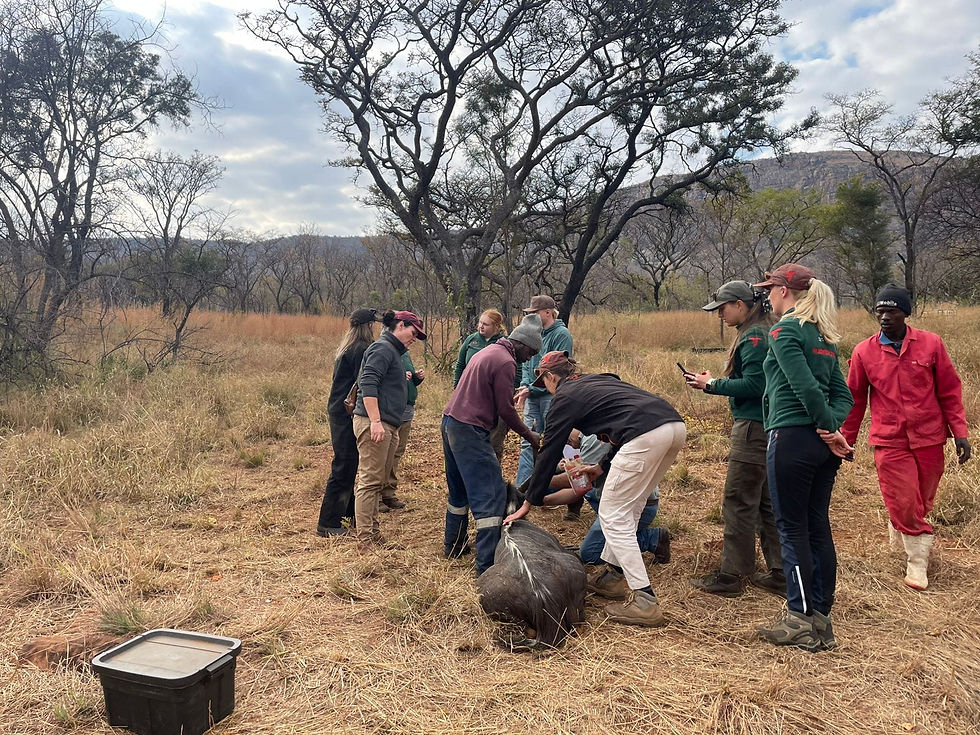
How Wildlife Conservation Efforts Are Making a Difference
One of the most inspiring aspects of conservation is seeing species rebound from the brink of extinction. For example, the roan and sable antelope was almost extinxt in Kruger National Park. And now due to re-introduction programs, their numbers are climbing again.
Anti-poaching patrols and community-based conservation projects have helped stabilize populations of rhinos, but are still under great threat. These animals are vital for maintaining savanna ecosystems and supporting tourism economies.
Some key strategies include:
Protected areas: National parks and private reserves provide safe havens for wildlife.
Community involvement: Local people are engaged as stewards of their natural resources.
Scientific research: Monitoring animal populations and health guides effective management.
Legislation and enforcement: Strong laws deter illegal activities harming wildlife.

Which Efforts Are Being Made by Us to Conserve the Wildlife?
Individuals and organizations worldwide contribute to conservation in many ways. Volunteering with wildlife groups, supporting conservation charities, and adopting sustainable lifestyles all help reduce human impact on nature.
At a community level, initiatives such as habitat restoration projects, wildlife corridors, and educational programs empower people to protect local species. Schools and youth groups often participate in tree planting and clean-up events that improve habitats.
Technology also plays a role. Drones, camera traps, and GPS tracking allow scientists to study animals without disturbing them. Data collected helps identify threats and prioritize conservation actions.
You can take practical steps to support conservation:
Reduce plastic use to prevent pollution in oceans and rivers.
Support eco-friendly products that do not harm wildlife habitats.
Participate in citizen science projects to report wildlife sightings.
Advocate for policies that protect natural areas and endangered species.
By working together, we can create a safer world for animals and preserve biodiversity.

The Role of Education and Awareness in Conservation Success
Education is a powerful tool in changing attitudes toward wildlife. When people understand the importance of animals and ecosystems, they are more likely to support conservation efforts.
Schools, media campaigns, and ecotourism experiences provide opportunities to learn about wildlife and the challenges they face. For example, visiting a wildlife reserve can inspire visitors to become advocates for nature.
Awareness programs also address human-wildlife conflicts by teaching safe practices and promoting coexistence. This reduces negative encounters and helps protect both people and animals.
Some effective educational approaches include:
Interactive workshops and nature walks.
Storytelling and cultural connections to wildlife.
Social media campaigns highlighting conservation successes.
Collaboration with indigenous communities to share traditional knowledge.
These efforts build a global community committed to protecting our natural heritage.
Looking Ahead: The Future of Wildlife Conservation
The future of wildlife depends on continued commitment and innovation. Climate change, habitat fragmentation, and human population growth present ongoing challenges that require adaptive strategies.
Emerging technologies like artificial intelligence and genetic research offer new possibilities for monitoring and protecting species. International cooperation is also essential, as many animals migrate across borders.
To support these goals, it is important to:
Increase funding for conservation projects.
Strengthen global agreements on wildlife protection.
Promote sustainable development that balances human needs with nature.
Encourage public participation in conservation activities.
By embracing these approaches, we can ensure that wildlife conservation efforts continue to save species and preserve the planet’s biodiversity.
For more information on how you can get involved, visit www.selatiwildlifeexperience.co.za .

Protecting wildlife is a shared responsibility that benefits all life on Earth. Through dedicated efforts in conservation, we can create a future where animals and humans coexist in harmony, ensuring the survival of countless species for generations to come.


Comments